Best Doctor On Call , At Home , Hotel In Dubai

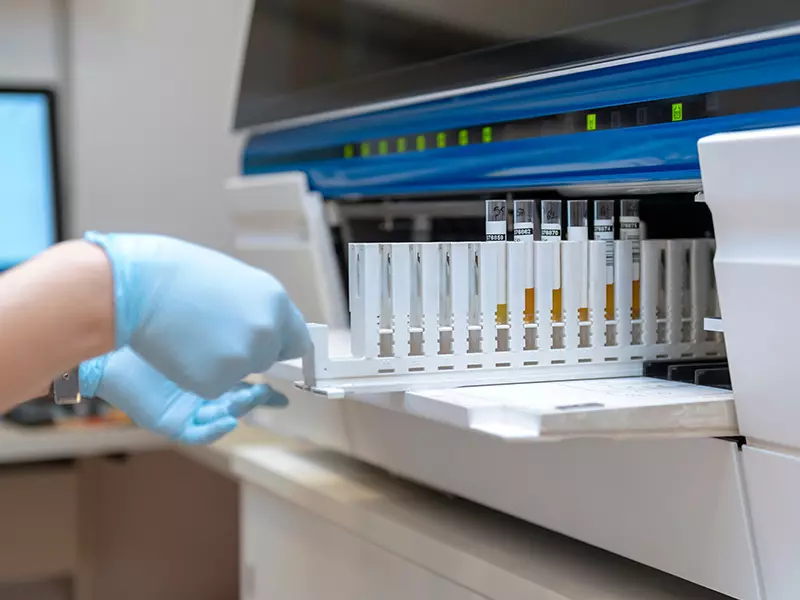

Get tested for urinary tract infections at the comfort of your home. Our urine culture analysis provides fast and reliable results from DHA approved labs.
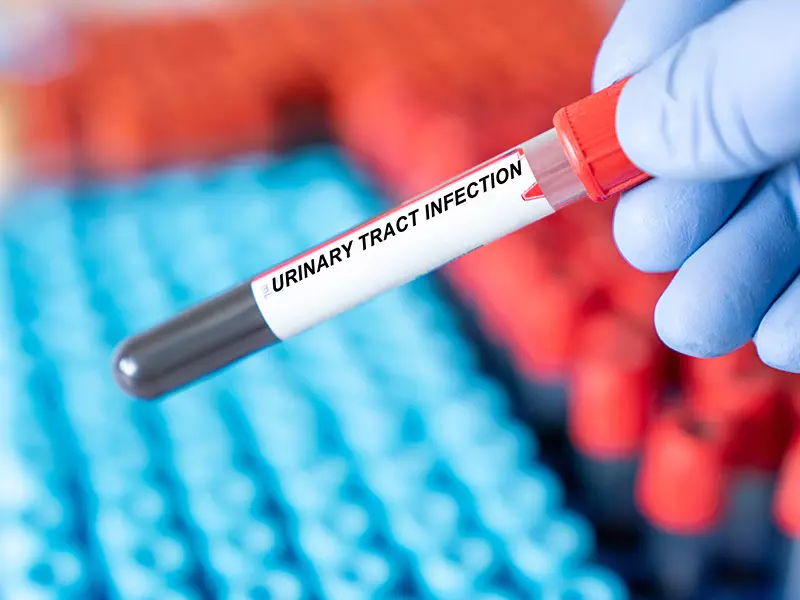
A urine culture test is used to detect and identify bacteria or fungi that causes urinary tract infections (UTI). The test helps identify the specific bacteria responsible for infections so that antibiotics or antifungals can be prescribed accordingly. You may need urine culture test if you are suffering from the following symptoms:
Persistent symptoms warrant a urine culture test to confirm the presence of infection and targeting the bacteria or fungi.
Skip the clinic and take control of your health at home. Get UTI test for diagnosing infections and getting timely treatment.
A discreet way to manage your health from the comfort of your home.
Early detection of infections and other problems before they get serious.
DHA certified and highly trained nurses and labs with accurate results.
UTIs can occur in any part of urinary system including kidneys, ureters, bladder and urethra. Most commonly, UTIs affect the lower urinary tract. When bacteria enters the urinary tract and multiply within the bladder and other parts, UTI symptoms occur. Although UTIs can happen to anyone, following are more at risk:
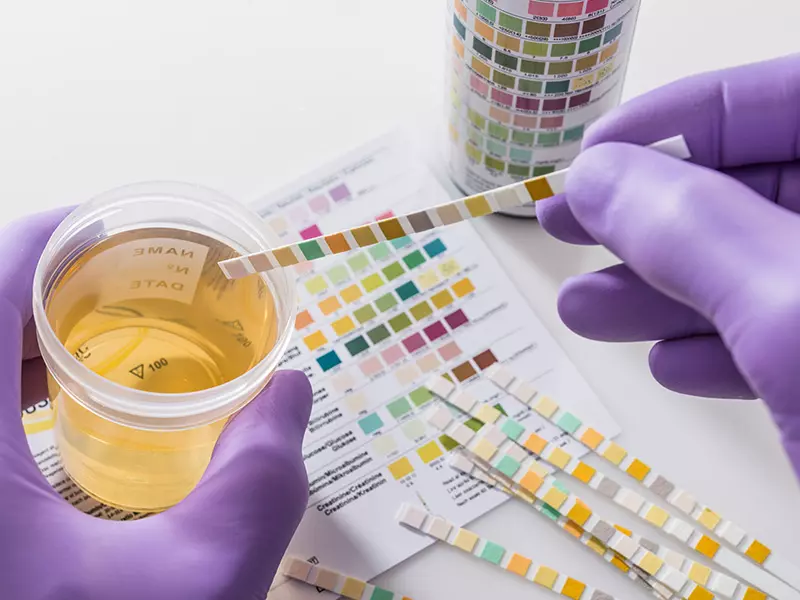
Urine culture testing or urine test is a diagnostic procedure that identifies bacteria or other microorganisms in your urine. It helps detect urinary tract infections (UTIs) and guides appropriate treatment.
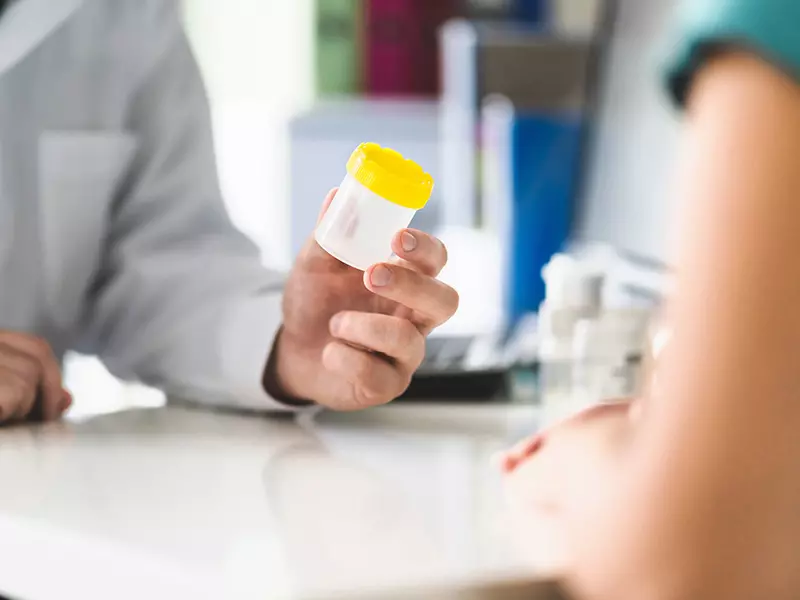
Anyone experiencing UTI symptoms, individuals with recurrent UTIs or those with mobility restrictions can benefit from this service. The test requires a sample of urine from the patient at the comfort of their home. Our healthcare professional will guide you through the process during visit.
Yes, a urine test can identify issues with kidneys, liver health, diabetes and even pregnancy. But identifying these conditions require separate testing.
Our healthcare professional will guide you how to collect the sample. However:
Ensure cleanliness during sample collection.
Make sure you had ample fluids during the day.
UTI is an infection that occurs in any part of the urinary system. This includes kidneys, ureters, bladders ad urethra. The infection is caused by bacteria is E.coli which normally resides in the gastrointestinal tract. This bacteria can enter the urinary tract through the urethra and then spread to the bladder, leading to infection.